
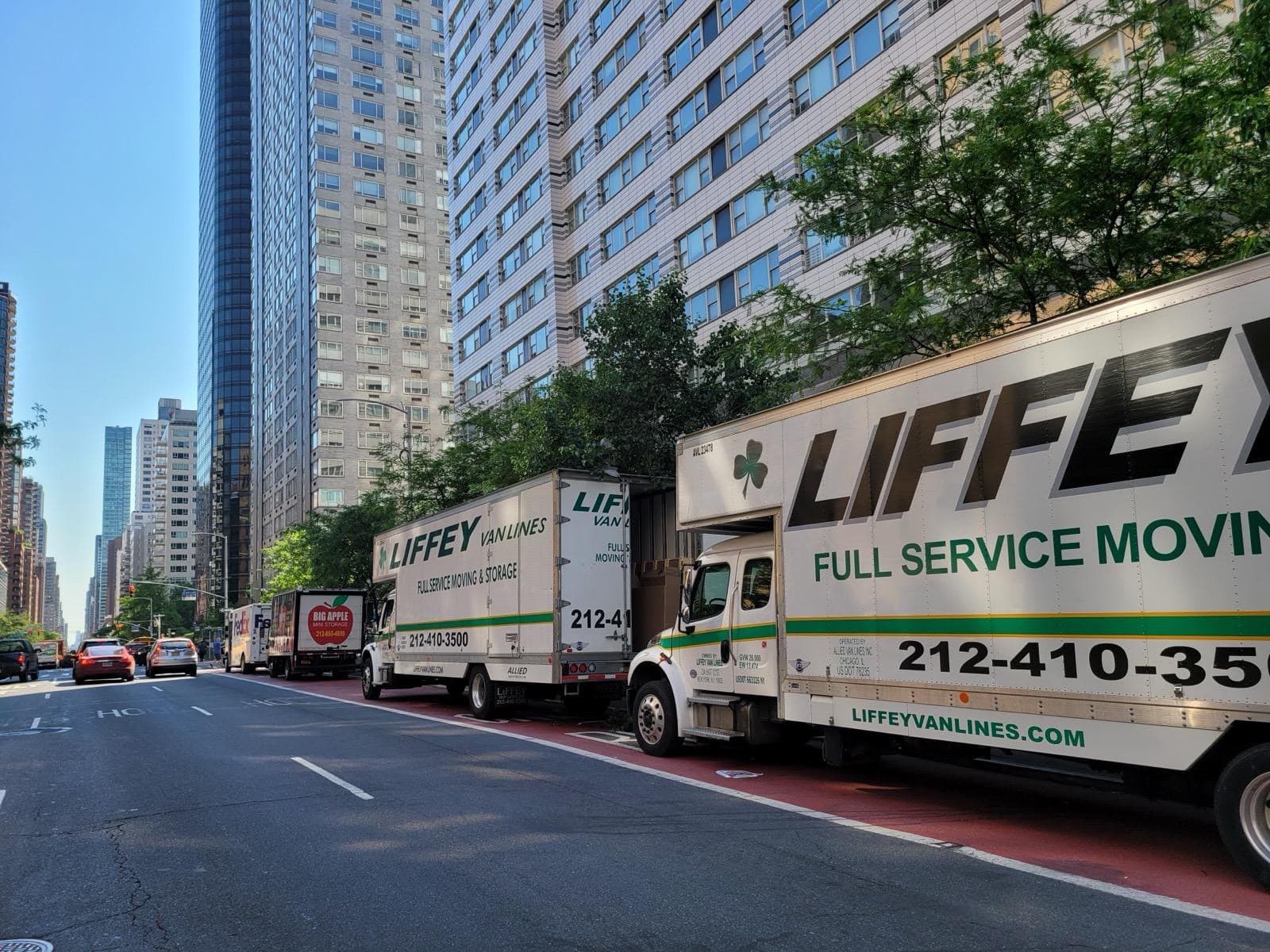
The simplest option is to leave equipment behind. In some cases this will be mandatory as the original institution may own the tools. Moving facilities may also be an opportunity to upgrade. If equipment is to be relocated, difficulties depend on the exact items. Specialty moving and commercial moving are the relevant Liffey pages.
Reference material
Moving textbooks, resource guides, notebooks and journals is as challenging as in any other situation. Boxes, strong helpers, perhaps a dolly and space in the vehicles are the only real considerations.
Cumbersome equipment and glass
When considering size, weight, value, and fragility, it can be well worth hiring professional lab and medical equipment movers. Test tubes, beakers, scales, microscopes, computers, centrifuges, and thermal cyclers must be considered individually. Pipettes and Erlenmeyer flasks are easy to replace unless they are expensive, uncommon, and essential — then bubble wrap and careful handling. Scientists may place computers or microscopes in carry-on luggage.
Chemicals and specimens
Moving chemicals requires strict safety procedures. Inventory the chemicals, find the Materials Safety Data Sheet (MSDS) for each, and ensure they are properly stored. Check labels, container condition, and the solution. Disposal must follow handling guidelines. Depending on types and quantities, it may be as simple as boxing them or an environmental company will need to be hired. Relocating animals, microbial samples, soil, and plants can be the most challenging. Talking to authorities will help avoid USDA problems. The original article included a guest note from Paige Williams, then representing LOC Scientific. Not all complications can be foreseen. Contact Liffey if the move also includes offices or household goods.