
Compare both buildings, not just addresses
Write down the floor, building type, entrance, stair count, elevator availability, and distance from curb to apartment at both ends. A Manhattan high-rise with a reserved freight elevator requires a different plan from a Brooklyn walk-up.
Ask each building about permitted moving hours, advance notice, elevator reservations, and Certificate of Insurance requirements. Do not assume the destination follows the same procedures as the place you are leaving.
Confirm loading conditions separately
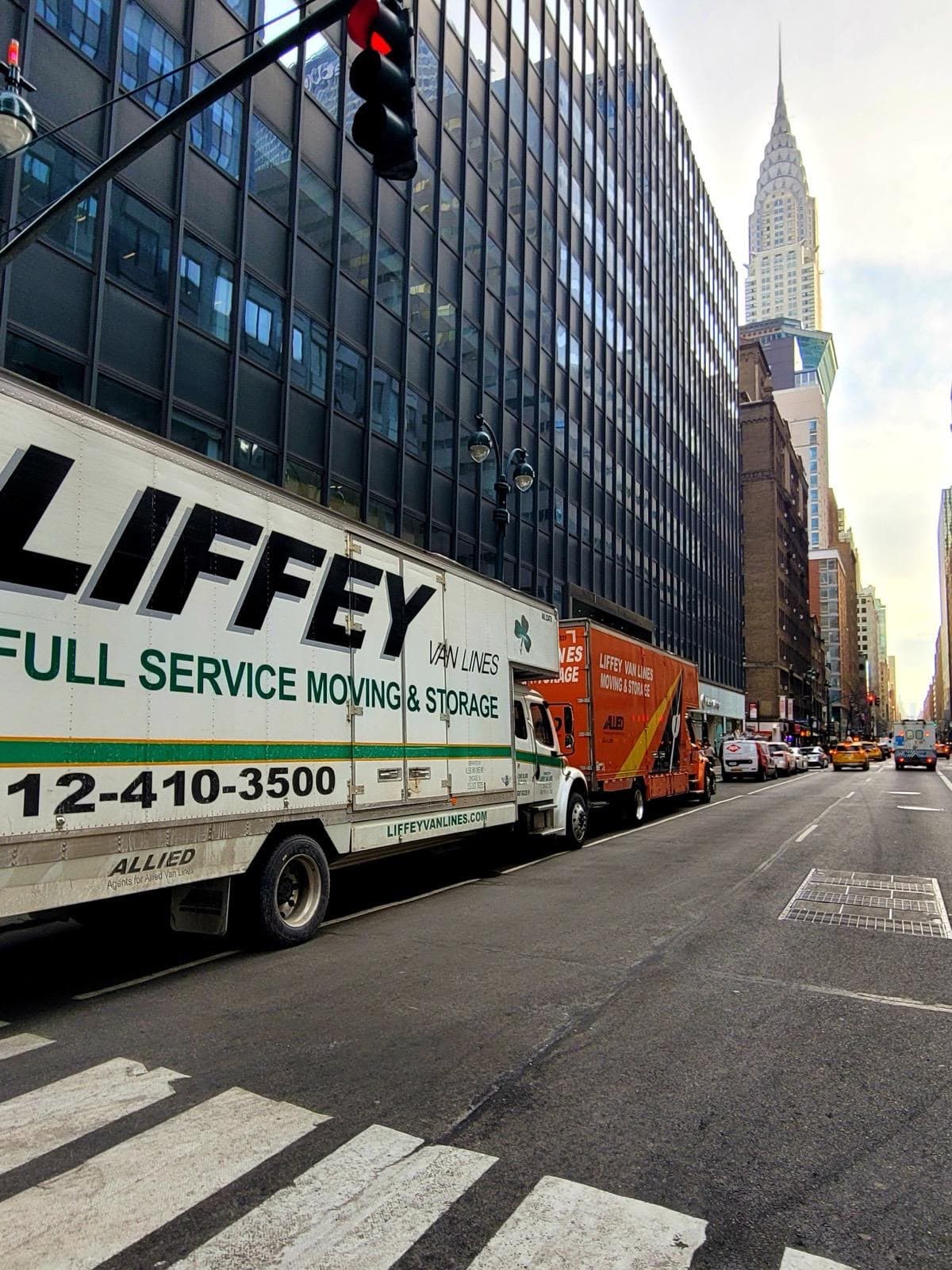
Identify where a truck can safely and legally load at each address. Note service entrances, loading docks, possible long carries, and anything that restricts access. If you are unsure about parking or permits, discuss the address with the moving team rather than making assumptions.
An otherwise short trip can be disrupted if the crew cannot reach the loading entrance when it arrives. Confirm the access instructions with building staff and share the contact details ahead of time.
Plan around the approved time windows
A move may need to begin at one property after the freight elevator becomes available and finish before the destination's loading dock closes. Give the moving coordinator both windows, plus any limitations on weekends or holidays.
Travel time between boroughs is only one part of the schedule. Building check-in, loading, protected elevator use, and carrying items through hallways also affect the day.
Keep the inventory and handoff clear
Label boxes by destination room, separate valuables and essential documents, and call out special items before moving day. Tell the team whether packing or storage is part of the move.
Local moving in New York City is easiest to coordinate when both buildings are understood upfront. When requesting an estimate, send the details for origin and destination together.