Starting your planning process early is one of the most crucial parts of moving to New York City. Allow yourself enough time to find the right place to live, because the city is known for high demand and limited housing. Make a timeline and checklist. This will help you stay on top of locating a moving company, packing, and informing utility companies of your impending move. Local NYC moving is the service page for in-city relocations.
Plan ahead for a successful NYC move
Making reservations in advance and doing homework on moving companies are also crucial. Since NYC is a busy city, moving companies often have a waiting list. If you want to be sure you are selecting a trustworthy business, take the time to read reviews and compare prices.
Choosing a neighborhood
Selecting a neighborhood in New York City requires careful consideration of commute and budget. Finding a neighborhood that fits within your budget is crucial because New York City is notorious for high living expenses. Take into account accessibility to your place of employment and the availability of public transportation.
Investigate the community, amenities, and safety of the area. Look at parks, schools, grocery stores, and other daily needs. Every neighborhood in New York City has its own personality. Visit and, where you can, converse with residents of the areas you are interested in. See also our notes on neighborhoods to consider.
Packing tips for a less stressful NYC move
One of the most taxing parts of moving may be packing. Declutter and donate items you no longer need. Given the cramped quarters of many NYC apartments, pack essentials and items you genuinely use. Label boxes according to the contents and the room. Pack a first-night box containing bedding, toiletries, and an extra set of clothes so you are not searching through numerous boxes on night one.
What to know when hiring movers in NYC
Seek out moving companies that have a strong reputation and positive reviews. Compare prices and obtain several quotes. Enquire about valuation coverage and insurance. Moving can involve accidents, so it is critical to make sure you understand what protection you have. Confirm licensing details such as NYS DOT numbers, and ask about Certificates of Insurance for your building.
Getting around after you arrive
The subway and bus system is the backbone of getting around New York City. Pay for rides with a contactless card, digital wallet, or an MTA fare card, and keep a map or transit app on your phone. Plan your route ahead of time and watch for service changes. Rush hour can get very crowded, so be ready for packed trains and follow basic subway etiquette, including not blocking doors.
Finding housing you can afford
Maintaining a budget in NYC often means considering roommates, a wider set of neighborhoods, or housing programs you actually qualify for. Do not limit your search to the best-known parts of Manhattan or Brooklyn. Queens and the Bronx, along with many Brooklyn neighborhoods, still give residents access to the city’s facilities with a different cost of living. Verify current rents rather than relying on old averages.
Stay organized on moving day
Make a moving checklist and timeline. Keep contact details and critical documents in one location, including utility companies, moving paperwork, and your lease. Prepare a separate bag for moving-day necessities such as toiletries, a change of clothes, and any necessary medications.
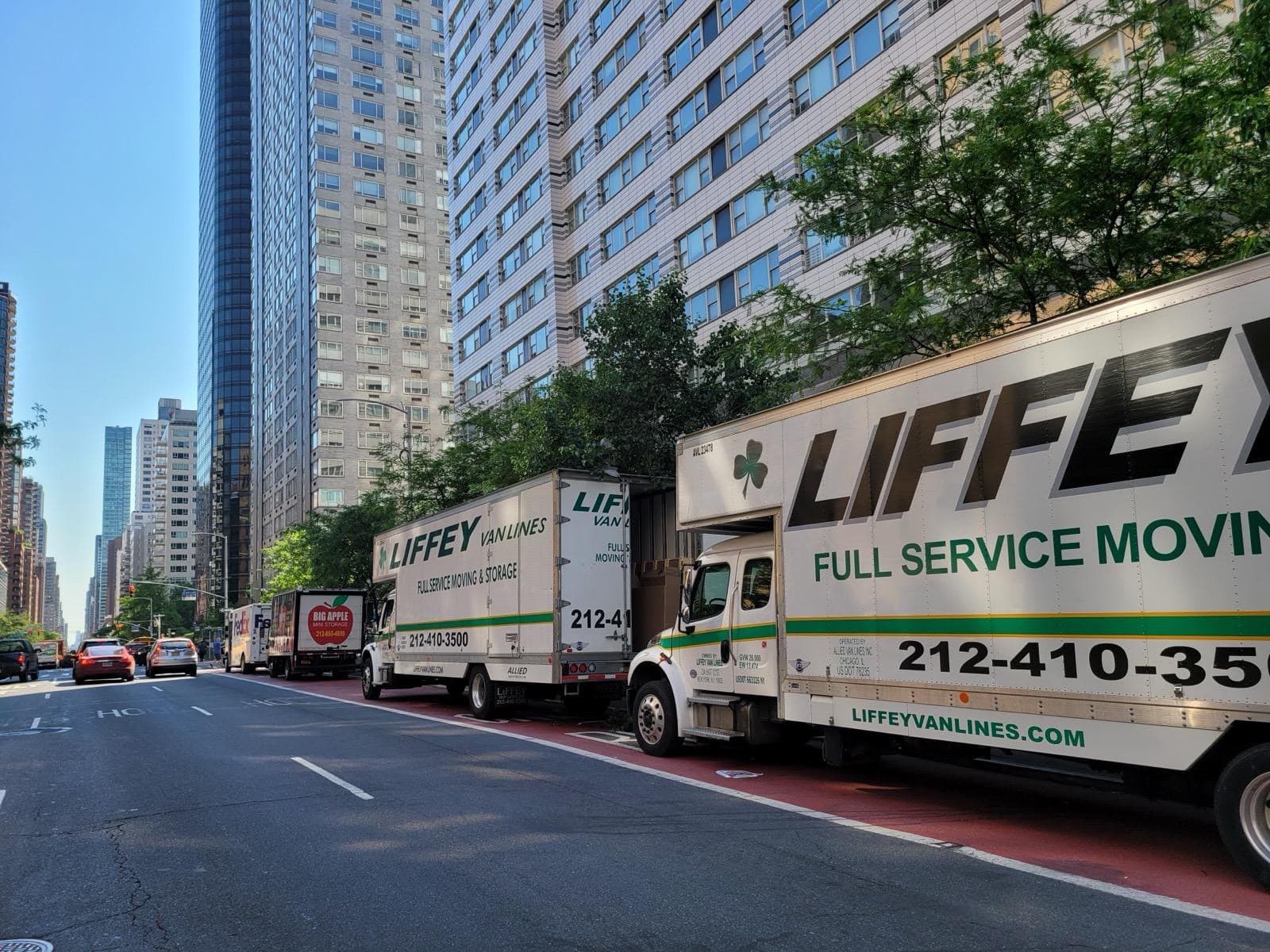
Try to arrange your move for off-peak times when you can. Examine parking laws and, if required, obtain permits. NYC parking rules are strict, and fines or towing can wreck a moving day. Make sure the moving company you hire is experienced with New York City traffic, loading zones, and building access.
Settling into your new home
Take your time settling in. Unpack one room at a time so you do not feel overwhelmed. Investigate your new neighborhood and locate relevant local services. Explore the parks, eateries, and stores nearby. Allow time for adjustment, and do not hesitate to seek assistance from friends, relatives, coworkers, or local groups that align with your interests.