
Packing yourself can be daunting. Take an inventory by room, especially the kitchen, bedrooms, and bathrooms, and declutter first so you buy fewer boxes. For packing help or supplies, start with specialty moving services.
Moving boxes: Why do we need them?
Households collect a lifetime of trinkets. Tables and armoires may not need cartons, but most other items do. Boxes are inexpensive, and local shops often have excess cartons you can reuse.
Small box: 1.5 cubic feet
Ideal for small bits and pieces, including junk-drawer items. Typical contents: small consumer electronics, books, kitchenware, tools, children's toys, canned food, and paper-wrapped fragile items.
Medium box: 3.0–4.5 cubic feet
A step up from small boxes and better for heavier household items. Do not overpack them or they can tear. Typical contents: computers, microwaves, other electronics, pots and pans, appliances, lamp shades, and other small household items.
Large box: 6.0 cubic feet
Best for bulky, lighter loads. These cartons get heavy quickly. Typical contents: blankets and comforters, bath towels, garage items, large appliances, lamps, and collapsible items.
Dish pack / china box
A sturdy double-wall carton for breakables and kitchenware: china, crystal, bowls, mugs, plates, glassware, and valuable keepsakes. Cellular dividers add protection.
Picture boxes / picture cartons
These cartons fit almost any framed picture or mirror. Use them for paintings, pictures, mirrors, and frames.
Wardrobe boxes
Large cartons with a metal hanging bar so clothing can travel hanging and transfer into wardrobes in the new home.
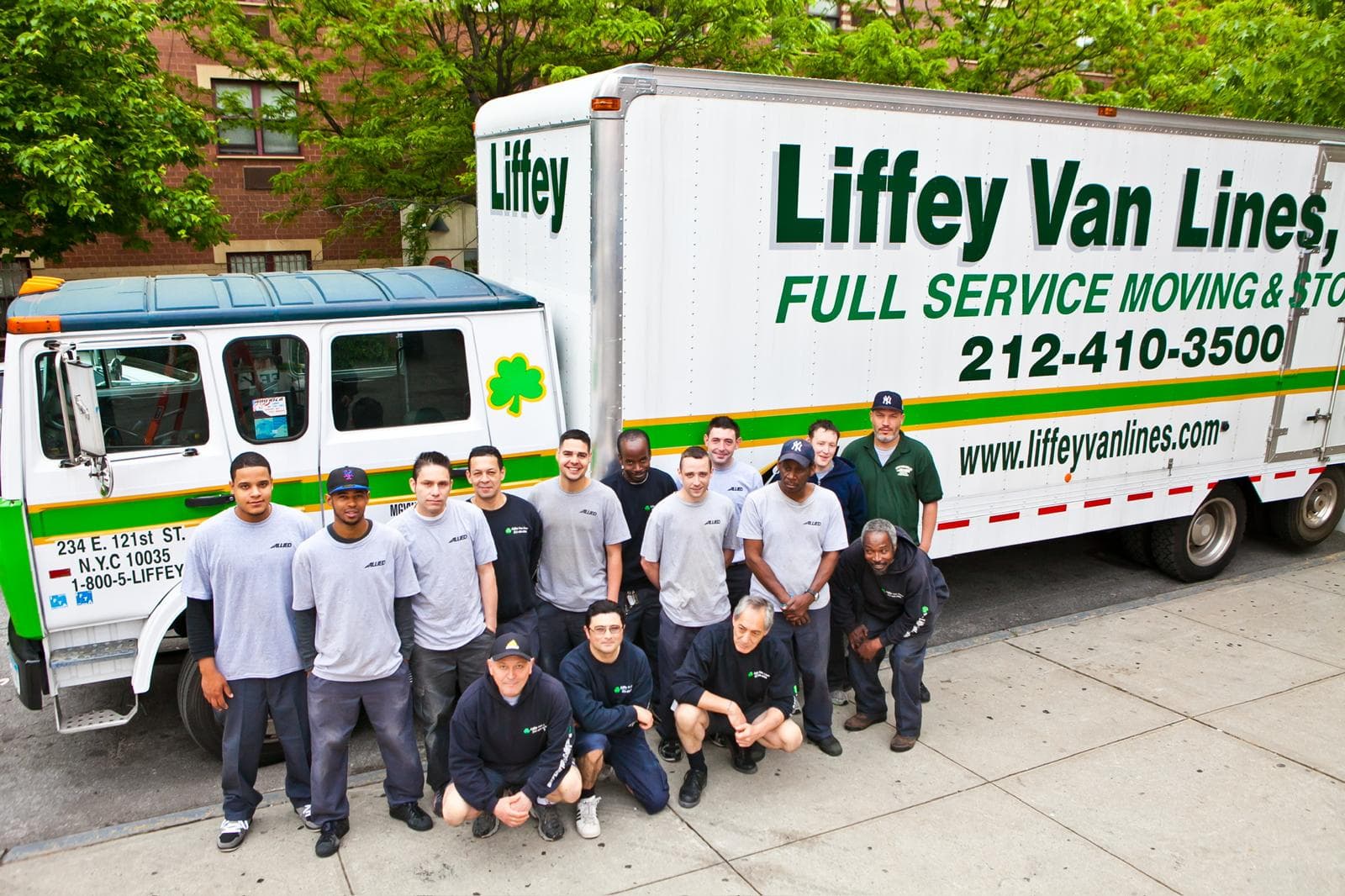
Liffey still recommends professional packing for a safer, more efficient move. Our crews pack items securely to reduce damage. Request supplies or packing help through a moving quote.