
A gap between leases is not unusual in New York. You might have to hand over your old keys on Friday while the new apartment is not available until Monday, or a closing or renovation may leave your belongings without a home for several weeks. The important decision is not simply where to sleep during the gap; it is where the furniture goes, who handles it, and how it gets delivered when the next address is ready.
Confirm the actual gap before choosing storage
Put the last permitted move-out time and the earliest confirmed move-in time on the same calendar. Include the hours when each building allows trucks, freight elevators, and movers. A one-day gap can effectively be longer if a building prohibits weekend moves or management cannot approve a Monday elevator reservation.
Separate your belongings into three groups
Before packing, decide what will travel with you, what should go straight to the new address, and what must enter storage. If there is no direct-delivery date, most furniture and sealed cartons may need the storage route, but you still need immediate access to essentials. Use a simple numbered inventory so you know which boxes and pieces have been packed for each destination.
Keep identification, medication, keys, chargers, important papers, laptops, valuables, a few outfits, and any children's or pets' daily supplies with you. Add toiletries and bedding if you will stay elsewhere. A clearly marked bag that never enters the moving truck saves you from trying to retrieve something after your shipment has gone into storage.
Plan storage as two connected moves
The first leg runs from the old home into storage. The second runs from storage to your new home. Each leg needs its own access information, inventory expectations, and timing. Tell the moving coordinator whether the destination address is confirmed, whether delivery could move by several days, and whether part of the load may be delivered separately.
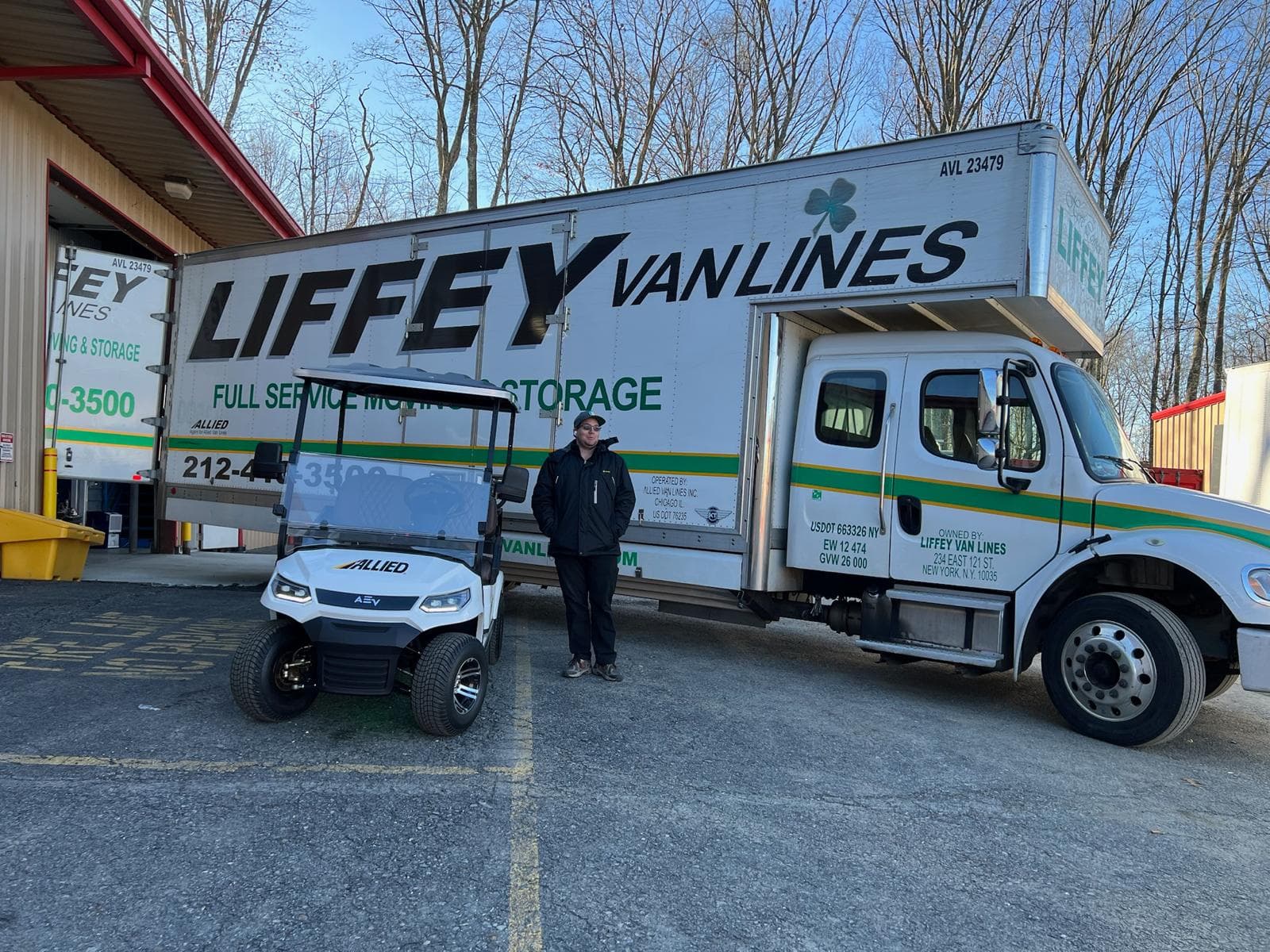
Ask how pickup, storage intake, and final delivery are coordinated. Liffey offers short- and long-term storage with moving support and can review the entire route as one plan. Availability, handling arrangements, and delivery dates should be confirmed as part of the estimate; do not assume a storage booking automatically reserves the final delivery crew.
Check NYC building rules at both ends
A storage plan does not remove your building obligations. At the old address, confirm the approved move-out window, loading route, freight elevator reservation, and any Certificate of Insurance requirements. If you will use a walk-up, explain the stair count and any tight turns. At the destination, ask management to confirm the delivery window before requesting removal from storage.
Keep the building contacts and any required paperwork with your move details. A gap of three weeks does not guarantee the new building will have an elevator slot when you want it. Review the questions to ask NYC building management and share both addresses with your coordinator.
Pack for time in storage, not just the truck ride
Items may be handled during pickup, storage intake, and eventual delivery, so use sturdy cartons and label the sides with a number, destination room, and brief contents. Protect fragile pieces appropriately and identify delicate finishes, mirrors, electronics, and oversized furniture before packing begins. Tell the team if any piece requires special handling.
Make sure appliances are clean and dry before they are packed, and avoid storing food, perishables, hazardous materials, or anything the provider does not accept. Ask about prohibited items rather than guessing. If you have specialty belongings, discuss how they should be prepared, inventoried, and stored before moving day.
Ask what the full storage-and-moving quote includes
When comparing options, request an explanation of pickup labor, packing materials or packing services, transportation into storage, storage duration, and the final delivery. Also ask about minimum storage periods, how billing works if dates change, what access is possible while items are stored, and what valuation or protection options apply.
A rate quoted only for the storage period may not represent the complete cost of moving into and back out of storage. The older NYC storage cost guide describes pricing factors but contains historical prices, not current rates. For your move, request an estimate based on the actual inventory and both handling stages; understanding a moving quote can help with the questions.
Build a practical timeline for a date mismatch
- As soon as the gap is known: confirm the earliest departure and arrival windows, estimate the storage duration, and contact the mover.
- Before packing: make an inventory, identify items traveling with you, note fragile or oversized pieces, and request building rules from both addresses.
- Before pickup: confirm the first access window, storage intake details, loading instructions, and your contact number during the gap.
- Before delivery: confirm the destination is actually ready, reserve any required elevator or dock, update the final inventory, and agree on a delivery date.
For a short gap, the biggest risk is assuming a weekend or overnight handoff will be simple. For a longer gap, review whether your estimated storage period might grow if renovation work or a closing is delayed. If you are downsizing, use the extra time to decide what genuinely belongs in the smaller apartment instead of paying to move items twice unnecessarily.
Coordinate final delivery with Liffey
When you contact Liffey, provide both addresses, the gap between dates, a rough inventory, access restrictions, packing needs, and the best estimate of when the new space will be ready. Once delivery is scheduled, verify that the new building's COI and freight elevator reservation still apply to the actual date. Request a moving and storage quote or review local NYC moving services. A connected pickup, storage, and delivery plan can turn an awkward gap into a manageable sequence of steps.