
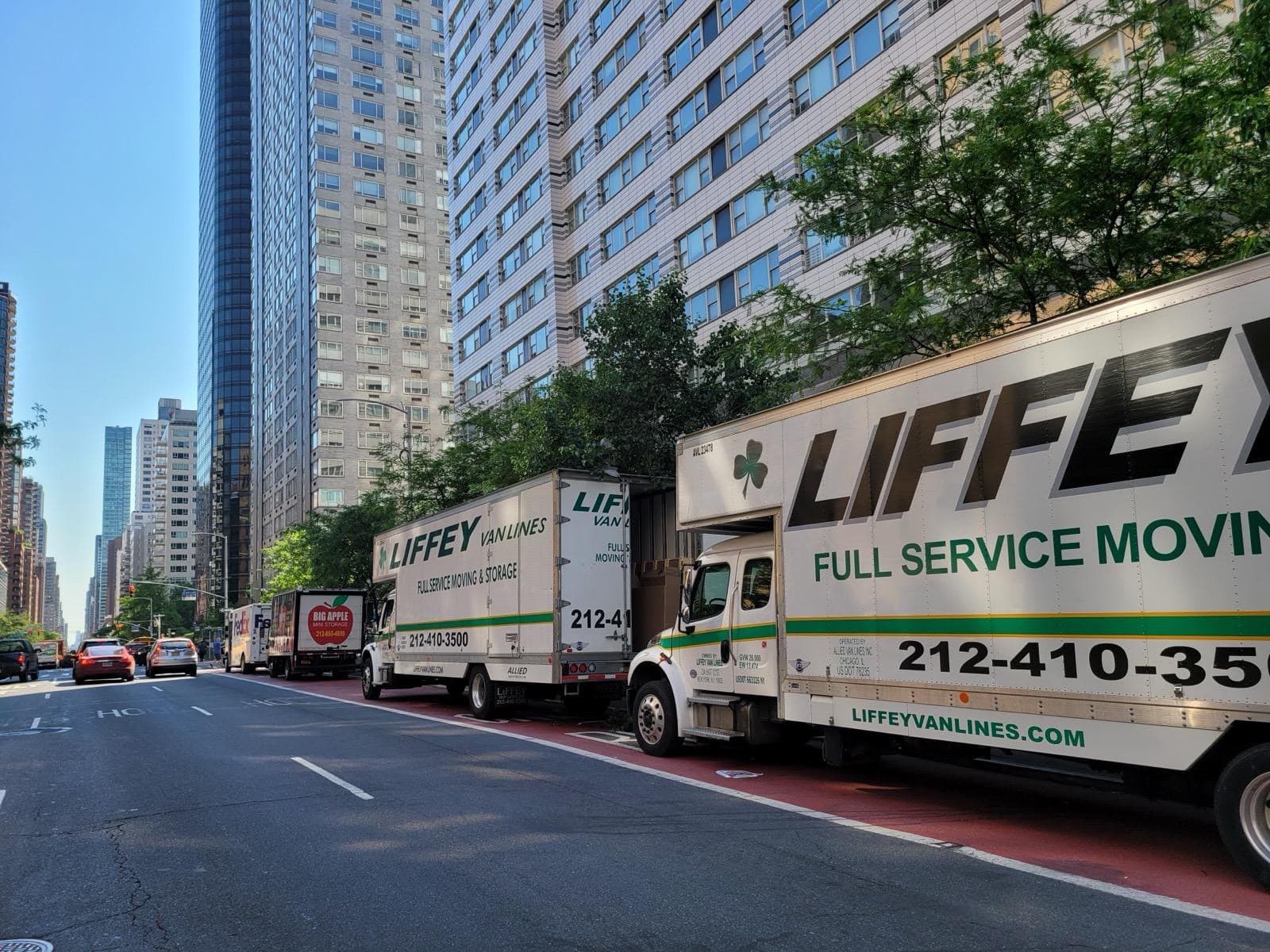
According to the NYC Department of Transportation as cited in the original article, moving truck permits can be requested online for specific streets and times. Obtaining NYC moving permits helps you avoid tickets and move disruptions. For the move itself, start with local New York moving.
Why NYC moving permits matter
NYC moving permits prevent costly fines and towing issues. Brownstone-lined streets in Brooklyn’s Carroll Gardens have strict alternate-side rules, while Midtown buildings often require COIs and precise truck placements. Without a permit, your moving truck may block traffic or receive a ticket exceeding $100. If city enforcement tows it, delays can skyrocket. Always review your borough’s local DOT zone map before selecting a moving date. Certain neighborhoods, like SoHo and Tribeca, restrict loading during business hours. Commercial moving covers time-sensitive office relocations that also need DOT-compliant plans.
How to apply for NYC moving permits
The original article said the NYC moving permits application is filed through DOT’s online portal. You will need street information (exact address and side of the street), vehicle plate number and dimensions, and the requested time. While most moves occur between 8 AM and 6 PM, verify if your street allows weekend loads. NYC DOT guidelines cited in the article said applications should be submitted 48–72 hours in advance. Permit fees generally range from $40 to $100, depending on location. Coordinators should match permits to building access windows and elevator reservations.
Building coordination and timing
- Certificate of Insurance (COI) approvals
- Elevator reservation windows (often 9 AM–4 PM)
- Loading dock access rules
Pre-war co-ops on the Upper West Side frequently mandate weekday-only moves. New luxury rentals in Long Island City may allow evening relocations with prior notice. The original article advised submitting COI requests at least 72 hours before your move. See also the 2025 building logistics guide and specialty moving services for large or delicate items.
Borough-specific parking insights
Manhattan: street parking is the hardest to secure; downtown zones such as Chelsea and the Financial District often require truck placement coordination with building management. Brooklyn: brownstone neighborhoods like Park Slope offer better access, but steep stoops and narrow one-ways can slow loading. Queens and the Bronx: residential areas like Astoria or Riverdale typically allow easier parking, but verify NYC moving permit rules since temporary no-standing signs may still be required. Compare borough notes in the NYC moving costs guide.
Published fine ranges from the original article
- Parking in a no-standing zone: $115–$185 — no DOT signage or expired permit
- Double parking: $90–$125 — insufficient space allocation
- Permit expired: $50–$70 — exceeding the scheduled timeslot
Seasonal timing
Peak season (May–September) sees heightened permit demand. DOT processing queues stretch longer during summer. Spring and winter moves provide more availability. The original article advised booking two to three weeks ahead so COIs, elevator times, and legal parking line up. For long-distance relocations, the curb plan still comes first. Get a quote or call (212) 410-3500.