
Start with the route through the property
Walk the route from your apartment to the loading point. Note narrow doorways, tight turns, freshly painted walls, delicate flooring, and corners where bulky items may pass close to surfaces.
Tell the moving team about any obvious challenges before the job begins. A planned path reduces unnecessary handling and helps the crew decide when to reposition or disassemble an item.
Confirm the building's protection rules
Some buildings require elevator pads, floor runners, or other measures before movers can begin. Check with management about who supplies them, when they may be installed, and whether the freight elevator must be reserved.
Different properties have different rules, so do not assume one building's procedure applies to the next. Share those requirements with the movers when scheduling.
Prepare furniture and shared areas
Identify pieces with sharp edges, glass panels, delicate finishes, or unusual weight. Appropriate wrapping and careful lifting can help limit scuffs, scratches, and incidental contact with surrounding surfaces.
Clear hallways of loose boxes, shoes, carts, and other obstacles. Keep children and pets away from the loading route while heavy furniture is being moved.
Do a simple final walkthrough
Before and after moving, check the areas your belongings passed through and document any concern promptly with the right building contact. If management has a formal move-out inspection, follow that process.
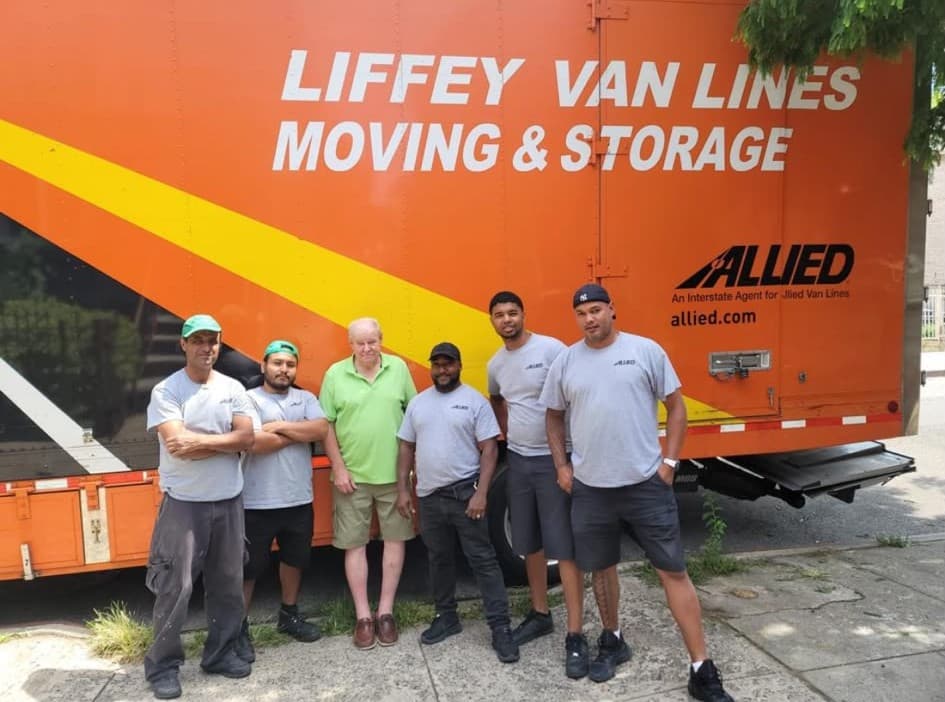
For large or fragile pieces, ask about Liffey's specialty moving services. Good preparation protects the item, the people handling it, and the building.